

Whole-Home Accessibility Assessment
What a home-accessibility specialist actually looks for during a free in-home walkthrough.
If you're hiring someone to modify a home for aging in place, you'll likely see the letters "CAPS" after a contractor's name. Here's what the credential actually means, who administers it, and why it's worth asking about.
By Drew Chandler — Home Accessibility & Project Coordination · Updated 2026-09-10
A quick, honest explainer
Quick answer: Certified Aging-in-Place Specialist (CAPS) is a professional credential for contractors and designers who complete coursework on modifying homes for older adults — covering the aging process, technical building solutions like ramps and curbless showers, and the business practices specific to this kind of work. The curriculum was originally developed by the National Association of Home Builders (NAHB) with AARP, and is delivered today through NAHB-affiliated education providers. Live Oak Home Access's team holds this certification.
The CAPS program was originally developed by the National Association of Home Builders (NAHB), in partnership with AARP and the NAHB Research Center, to give building professionals a structured way to learn the specifics of aging-in-place remodeling rather than picking it up informally. The coursework is generally organized around three areas:
Your written scope identifies the work, the responsible provider and the applicable warranty terms. Live Oak installations and separately contracted partner work have separate responsibilities. Ask us to explain these before work begins.
Aging-in-place remodeling has technical requirements that don't come up in most everyday remodeling work: grab bars anchored into studs or blocking rather than drywall alone, ADA-referenced ramp slope calculations, clear floor space sized for a wheelchair's turning radius, and curbless shower pans that drain correctly without a lip to trip over. A general remodeler may encounter these details rarely. CAPS coursework addresses aging-in-place design topics; verify any individual’s current credential.
Your written scope identifies the work, the responsible provider and the applicable warranty terms. Live Oak installations and separately contracted partner work have separate responsibilities. Ask us to explain these before work begins.
We plan the work around the person’s daily routine, mobility equipment and the conditions in the home. Share any clinician recommendations you want included in the scope. Ask about the qualifications required for the proposed work. Learn how our team works.
What a home-accessibility specialist actually looks for during a free in-home walkthrough.
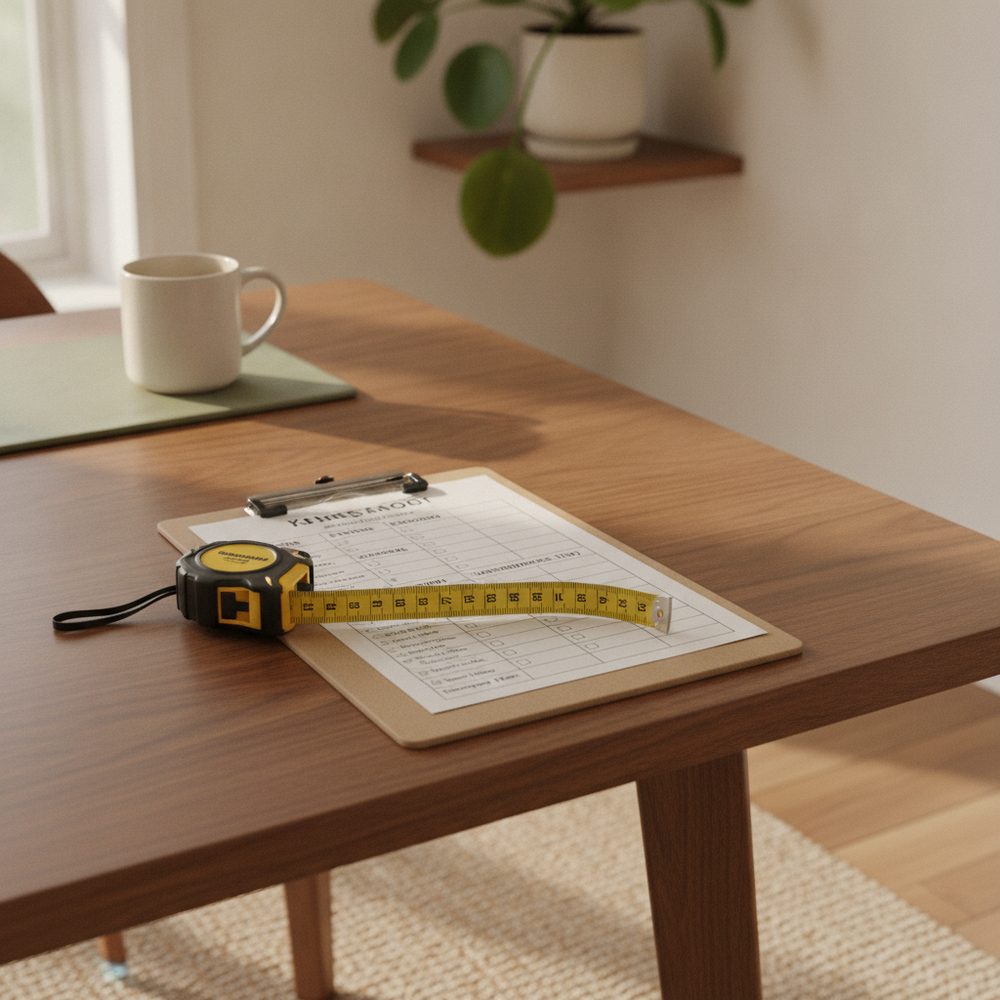
A room-by-room checklist of the modifications CAPS training covers most often.
CAPS stands for Certified Aging-in-Place Specialist — a professional credential for contractors, designers, and other building professionals who complete coursework focused on modifying homes for older adults and people with mobility challenges.
The CAPS designation is administered through a curriculum originally developed by the National Association of Home Builders (NAHB) in partnership with the AARP and the NAHB Research Center, and it is delivered today through NAHB-affiliated and partner education providers. Coursework covers the physical, financial, and emotional issues of aging in place; building and design solutions; and the codes, standards, and business management considerations specific to this kind of remodeling work.
The curriculum generally covers three areas: understanding the aging process and the needs of older clients (physical, financial, and emotional); technical design and building solutions (barrier-free and universal design, code compliance, common modifications like grab bars, ramps, and curbless showers); and the business, marketing, and customer-service practices specific to working with older clients and their families.
Aging-in-place remodeling has technical requirements a general remodeler may not encounter often — correct grab-bar blocking and anchoring, ADA-referenced ramp slope, clear floor space for a wheelchair turning radius, curbless shower drainage and waterproofing. CAPS is an educational credential covering aging-in-place topics; it does not establish every skill required for a particular project. It is one credential among several worth asking about — not a guarantee of quality on its own — so it is reasonable to also ask about a contractor's license, insurance, and references.
We plan the work around the person’s daily routine, mobility equipment and the conditions in the home. Share any clinician recommendations you want included in the scope. Ask about the qualifications required for the proposed work.
NAHB, which administers the CAPS credential, maintains information on the designation and its holders at nahb.org — search by state for a professional near you, or call NAHB directly. When you find a candidate, verify the credential is current and also check their contractor license, insurance, and references, since CAPS alone does not guarantee quality. In Central Texas, Live Oak Home Access has a home-accessibility specialist on staff and serves the Austin metro and Hill Country.
We will come to your home, walk every room with you, and give you an honest assessment — at no charge and with no pressure to commit.
Call or text (512) 222-8834 — or fill out our short form and we will reach out to schedule at a time that works for you.