
Home Modification Costs in Central Texas
Clear, honest installed-price ranges for walk-in showers, tub-to-shower conversions, walk-in tubs, stair lifts, ramps, elevators, and more — so you can plan with confidence. Every home is different; a free in-home assessment gives you an exact number.
By Drew Chandler — Home Accessibility & Project Coordination · Updated 2026-08-09
In Central Texas, walk-in shower and tub-to-shower conversion costs typically run $3,500–$12,000; walk-in tub costs run $5,000–$15,000 installed; stair lifts cost $3,000–$6,500 for a straight stair and $8,000–$14,000+ for curved; and residential elevators range from $18,000 to $60,000+ depending on type. Grab bar installation starts around $150–$400 per bar. Every project varies based on your home's layout, plumbing, and finish choices. A free in-home assessment is the only reliable way to get an exact number for your situation.
Planning a modification to help you or a parent stay safely at home raises an immediate question: what will it cost? This guide gives you honest, Central Texas–specific ranges for every major accessibility project we handle. We update these figures regularly based on current labor costs, material prices, and what we see on the ground in Austin, the Hill Country, and the surrounding counties.
One important note up front: these are ranges, not fixed bids. Two homes in the same neighborhood can have very different costs because of plumbing location, wall construction, floor condition, or the tile and fixtures the homeowner selects. Use these numbers to budget and compare options — then call us for a free in-home assessment to nail down the real price for your home.
Walk-In Shower Cost and Tub-to-Shower Conversion Cost
A tub-to-shower conversion in Central Texas typically costs $3,500–$12,000 installed. A basic tub removal with a prefab or one-piece shower unit runs about $4,000–$6,000; a fully curbless, tiled roll-in shower with a linear drain, bench, and grab-bar blocking sits higher, around $7,000–$14,000. Plumbing access, waterproofing, and finish choices drive the final number.
Removing a bathtub and building a walk-in or curbless shower is one of the most requested projects we do. A CDC-published national study found an estimated 234,094 nonfatal bathroom injuries among people 15 and older were treated in U.S. emergency departments in 2008 — 81% caused by falls — and bathing, showering, or getting in or out of the tub or shower was the activity underway in 37% of all bathroom injuries, the single most common cause. (Source: CDC, Nonfatal Bathroom Injuries Among Persons Aged ≥15 Years, MMWR 2011) Eliminating the step-over tub wall is both a safety improvement and a practical upgrade for daily life.
For a detailed look at the installation process and what to expect, see our walk-in and curbless shower service page.
| Project Type | Low End | Typical Range | Higher End | What Affects Price |
|---|---|---|---|---|
| Basic tub removal + prefab shower unit | ~$3,500 | $4,000–$6,000 | $7,500+ | Plumbing access, wall repair, surround choice |
| Curbless / zero-threshold shower (tile) | ~$5,500 | $7,000–$12,000 | $15,000+ | Tile selection, linear drain, floor slope, subfloor condition |
| Roll-in shower with blocking & bench | ~$6,500 | $8,500–$14,000 | $18,000+ | Size, grab bar blocking, fold-down bench, handheld showerhead |
| Solid-surface / one-piece liner system | ~$4,500 | $6,000–$9,500 | $12,000+ | Brand, size, color options, built-in shelving |
A key upgrade worth including at installation time: blocking in the shower walls for future grab bars. Adding plywood blocking between studs while the walls are open costs relatively little. Adding it later, after walls are tiled, costs significantly more. We include this recommendation in every shower project assessment.
Walk-In Tub Cost
A walk-in tub in Central Texas typically costs $5,000–$15,000 installed. A basic soaker model runs about $5,000–$10,000; adding hydrotherapy air or water jets brings it to roughly $9,000–$14,000, and a walk-in tub/shower combo can reach $15,000–$20,000. A dedicated electrical circuit and a larger water heater, both covered below, can add to the total.
Walk-in tubs have a watertight door built into the side so you step in, close the door, and then fill the tub — no climbing over a high wall. They appeal to people who want to continue bathing rather than showering, and many models include hydrotherapy jets for joint pain relief.
| Configuration | Low End | Typical Range | Higher End | What Affects Price |
|---|---|---|---|---|
| Basic walk-in tub (soaker, no jets) | ~$5,000 | $6,500–$10,000 | $13,000+ | Brand, tub size, door type, threshold height |
| Walk-in tub with air or water jets | ~$7,000 | $9,000–$14,000 | $18,000+ | Jet count and type, quick-drain system, electrical upgrade |
| Walk-in tub / shower combo | ~$6,500 | $10,000–$15,000 | $20,000+ | Overhead and handheld showerhead, surround material |
Walk-in tubs require a dedicated 20-amp electrical circuit for jet systems, and most need a larger water heater or an on-demand water heater because they hold more water than a standard tub. We evaluate both during an assessment so there are no surprises after installation.
Stair Lift Cost: How Much Is a Stair Lift in Central Texas?
A stair lift in Central Texas typically costs $3,000–$6,500 for a straight staircase and $8,000–$14,000 or more for a curved or custom staircase, installed. Outdoor weather-resistant units run about $4,500–$8,000. The single biggest price factor is whether your stairs are straight (a factory-made rail) or curved (a custom-bent rail that costs more and takes longer to fabricate).
A stair lift lets you ride a motorized chair along a rail attached to your staircase — keeping both floors of a two-story home fully accessible without major construction. The cost to install a stair lift depends mainly on whether your staircase is straight or curved.
See our stair lift service page for more detail on how they work, what brands we install, and what to expect on installation day.
| Stair Type | Low End | Typical Range | Higher End | What Affects Price |
|---|---|---|---|---|
| Straight staircase (standard) | ~$3,000 | $3,800–$5,500 | $7,000+ | Rail length, weight capacity, folding rail at bottom |
| Curved / custom staircase | ~$8,000 | $10,000–$14,000 | $18,000+ | Custom-bent rail, number of curves or landings |
| Outdoor stair lift | ~$4,500 | $5,500–$8,000 | $11,000+ | Weather-resistant components, cover/enclosure, stair length |
Straight-stair units are factory-made and arrive within a week or two. Curved units are custom-fabricated to your exact stair geometry, which takes longer and costs more. We take precise measurements during the assessment so the rail fits perfectly.
Grab Bars and Bathroom Safety
Grab bars are one of the most cost-effective safety investments you can make. They prevent falls in the bathroom — the room where most home falls happen for older adults.
| Scope | Low End | Typical Range | Higher End | What Affects Price |
|---|---|---|---|---|
| Single grab bar (with wall blocking) | ~$150 | $200–$400 | $600+ | Bar style, wall material, whether blocking is needed |
| Full shower + toilet grab bar package | ~$600 | $800–$1,500 | $2,500+ | Number of bars, decorative vs. standard finish, wall repair |
| Toilet safety rails / raised toilet seat | ~$200 | $300–$600 | $900+ | Bolted floor-mount vs. clamp-on, comfort height toilet combo |
Grab bars must be anchored into wall studs or solid blocking — not just drywall. We always verify the wall structure before installation and add blocking where needed. A bar that pulls out of the wall is worse than no bar at all.
Wheelchair Ramps
Ramps restore independent home entry for wheelchair and walker users, and they give everyone a safer way in during wet weather. Ramp cost varies widely with the rise height (how far off the ground your entry is) and the chosen material. Not ready to commit to a permanent ramp? See our wheelchair ramp rental options for short-term recovery or a visiting family member.
| Type | Low End | Typical Range | Higher End | What Affects Price |
|---|---|---|---|---|
| Modular aluminum ramp (portable/permanent) | ~$1,200 | $2,000–$5,000 | $8,000+ | Total rise, platform size, handrail configuration |
| Pressure-treated wood ramp | ~$1,500 | $2,500–$6,000 | $10,000+ | Total rise, length, decking grade, custom design |
| Concrete ramp / graded path | ~$2,500 | $4,000–$9,000 | $14,000+ | Slope, surface area, site prep, existing landscaping |
The ADA slope standard for accessibility is 1:12 — one inch of rise for every 12 inches of ramp length. A 24-inch entry step needs at least 24 feet of ramp run. Hill Country properties and Central Texas homes built on sloped lots often require switchback designs or longer runs, which affects cost.
Residential Elevator Cost and Vertical Platform Lift Cost
A residential elevator in Central Texas typically costs $18,000–$60,000+ installed, while a vertical platform lift runs about $3,500–$11,000. Pneumatic (vacuum) elevators start lowest at roughly $18,000–$35,000; hydraulic and cable-driven elevators range from about $20,000 to $60,000, depending on the number of floors served, hoistway construction, and cab finish.
For two-story homes where a stair lift is not practical — or when full wheelchair access between floors is needed — a residential elevator or vertical platform lift is often the right solution. Home elevator cost varies significantly by type, so understanding the options helps you budget realistically.
| Type | Low End | Typical Range | Higher End | What Affects Price |
|---|---|---|---|---|
| Vertical Platform Lift (2–5 ft rise) | ~$3,500 | $5,000–$8,000 | $11,000+ | Rise height, indoor vs. outdoor, enclosure, pit vs. no-pit |
| Hydraulic residential elevator | ~$20,000 | $25,000–$40,000 | $55,000+ | Number of stops, hoistway construction, cab finish, machine room |
| Cable-driven (traction) elevator | ~$22,000 | $28,000–$45,000 | $60,000+ | Floors served, shaft construction, custom cab, machine room overhead |
| Pneumatic / vacuum elevator | ~$18,000 | $22,000–$35,000 | $48,000+ | Number of stops, cab diameter, no-shaft design saves construction cost |
Residential elevators require a building permit in Texas. We handle the permit application as part of the project and coordinate required inspections so you do not have to manage that process yourself.
Doorway Widening and Accessible Bathroom Remodels
Standard interior doorways are 28–32 inches wide. A wheelchair typically needs at least 32 inches clear, and 36 inches is more comfortable. Widening a doorway may involve moving a switch, outlet, or even a portion of wall framing.
| Project | Low End | Typical Range | Higher End | What Affects Price |
|---|---|---|---|---|
| Single doorway widening (non-load-bearing) | ~$800 | $1,200–$2,500 | $4,000+ | Wall type, electrical/plumbing in wall, finish work |
| Single doorway widening (load-bearing) | ~$2,000 | $3,500–$6,500 | $10,000+ | Beam/header upgrade, engineering, permit |
| Comfort-height / ADA toilet replacement | ~$400 | $600–$1,200 | $2,000+ | Toilet model, bidet seat option, flange condition |
| Full accessible bathroom remodel | ~$12,000 | $18,000–$35,000 | $55,000+ | Size, scope, tile selections, fixture quality, structural changes |
| Handyman / small-job punch list | ~$150 | $350–$600 | $950+ | List length, materials, single-visit vs. half- or full-day scope |
| Home Care Plan (scheduled maintenance) | from $185/mo | $245/quarterly visit | quoted at walk-through | Seasonal checklist visits, photo report to family, member repair pricing |
What Drives Cost in Central Texas
Several factors push costs up or down regardless of which project you choose:
- Home age and condition. Older homes in Marble Falls, Burnet, or the Hill Country sometimes have plumbing that needs updating, tile that contains materials requiring extra care, or walls built without modern blocking patterns. We assess all of this before we price the work.
- Labor market. The Austin metro and surrounding Hill Country counties have active construction markets. Skilled labor costs here are higher than in rural areas but lower than major coastal metros. Our pricing reflects current Central Texas rates.
- Product choices. A basic grab bar costs a fraction of a designer decorative bar in the same finish as your existing fixtures. A prefab shower surround costs less than custom large-format tile. We walk you through options at every price point.
- Permit requirements. Structural work (load-bearing walls, elevators, major plumbing rerouting) requires a permit. We include permit costs in our proposals so you are not surprised. Permit fees vary by city and county in Central Texas.
- Site access and floor protection. We protect your floors and clean up completely each day we work. Hill Country homes sometimes have longer drives and limited staging space, which factors into scheduling.
Funding and Financial Assistance
Cost is a real concern, and there are several programs that may help offset it. We help clients navigate paperwork, but please verify current program details with the relevant agency — this is not medical, legal, or financial advice.
Key Funding Sources to Explore
- VA HISA Grant. The VA's Home Improvements and Structural Alterations (HISA) program helps veterans with service-connected or non-service-connected disabilities make medically necessary home modifications. Verify current grant amounts and eligibility directly with the VA.
- Texas Medicaid STAR+PLUS HCBS Waiver. Eligible Medicaid members enrolled in the STAR+PLUS Home and Community Based Services waiver may be able to access Minor Home Modifications. Contact your managed care organization for details.
- Medicare Advantage. Original Medicare (Parts A and B) generally does not cover home modifications such as grab bars, ramps, or walk-in tubs. Some Medicare Advantage plans offer limited home-safety or home-modification benefits — verify with your specific plan.
- Area Agency on Aging. The Capital Area Council of Governments (CAPCOG) serves much of Central Texas and may know of local grants or low-cost loan programs for home modifications.
- Financing. We work with financing partners so you can spread the cost of larger projects over time. Ask about current options during your free assessment.
We help with paperwork; not medical, legal, or financial advice — verify current program details with the relevant agency.
For a full breakdown of every program — VA HISA, STAR+PLUS, Area Agency on Aging grants, and financing options — visit our Texas home modification funding guide. Or request a free assessment and we will walk you through which programs may apply to your project.
Getting an Accurate Quote
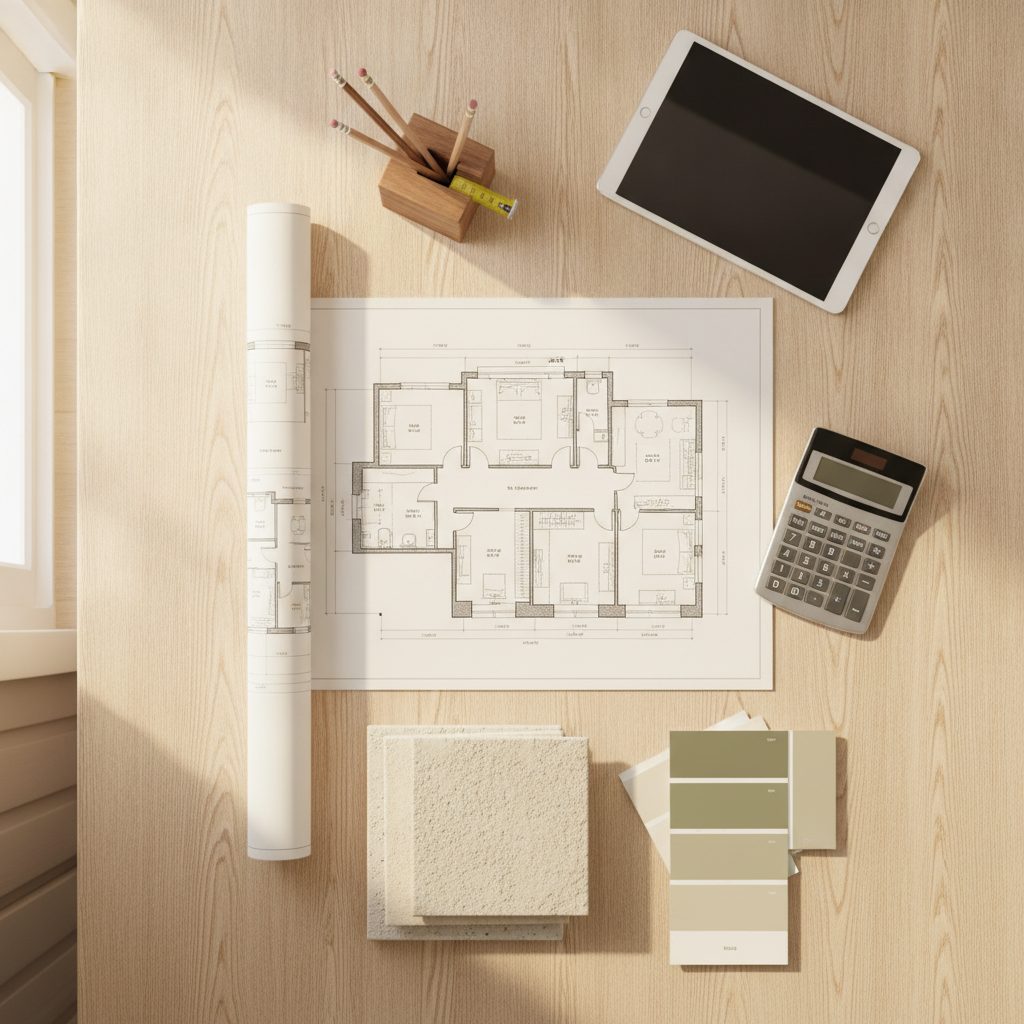
The ranges above give you a solid planning foundation — but they are ranges for a reason. The only way to know exactly what your project will cost is a free in-home assessment. Here is what that looks like:
-
We visit your home
A member of our home-accessibility team comes to you at a time that works. We look at the actual bathroom, staircase, entry, or other area — not photos or a floor plan.
-
We listen first
We ask about how you or your parent moves through the home now, what feels unsafe, and what matters most. The goal is a modification that fits how you actually live.
-
We give you a written proposal
You get a clear, itemized written quote — no vague estimates. We explain what each item covers and why we recommend it. There is no pressure and no obligation.
-
We answer every question
Questions about funding, timing, disruption to daily routine, warranties — ask anything. We would rather spend an extra 20 minutes at the assessment than have you surprised later.
Questions before scheduling? Call or text us at (512) 222-8834 — we are glad to talk through your situation first.
Why Live Oak Home Access
Ask us about the coverage and qualifications relevant to your project. Your written scope identifies who performs the work and the applicable warranty terms. Live Oak handles home-accessibility installations and routine upkeep within its scope. For plumbing, electrical, tile and structural work, the homeowner contracts with the appropriate trade partner; we help define the scope and coordinate the work.
Your written scope identifies the work, the responsible provider and the applicable warranty terms. Live Oak installations and separately contracted partner work have separate responsibilities. Ask us to explain these before work begins.
Ready to move from ranges to a real number? Schedule your free in-home safety assessment — no pressure, no obligation. Or explore specific services: walk-in and curbless shower installation or stair lift installation in Central Texas.
Frequently Asked Questions About Cost
How much does a walk-in shower conversion cost in Central Texas?
A tub-to-shower conversion in Central Texas typically ranges from roughly $3,500 to $12,000 or more, depending on the size of the space, whether the floor and walls need new tile or a solid-surface liner, grab bar placement, and plumbing changes. A curbless or roll-in shower with a linear drain, blocking for future grab bars, and a comfort-height seat tends to fall toward the higher end of that range. A free in-home assessment gives you an exact quote based on your home.
How much does a walk-in tub cost?
Walk-in tub installed prices in Central Texas typically run from about $5,000 to $15,000 or more. The tub unit itself varies widely by brand, size, jet configuration, and features such as a low threshold, quick-drain technology, or a built-in seat. Plumbing and electrical upgrades (walk-in tubs need a dedicated 20-amp circuit for jets) add to the total. A free in-home assessment gives you an exact quote for your bathroom. Not sure a tub is the right call? Our walk-in tub vs. tub-to-shower conversion guide compares cost, safety, and who each option suits best.
How much does a stair lift cost in Central Texas?
Stair lifts for a straight staircase typically run from about $3,000 to $6,500 installed in Central Texas. Curved staircase models are custom-built to your stair geometry and generally run $8,000 to $14,000 or more. Outdoor stair lifts with weather-resistant components typically cost $4,500 to $8,000. A free in-home assessment lets us measure the run and give you a firm price.
How much does a residential elevator cost?
Residential elevators in Central Texas typically range from about $18,000 to $60,000 or more installed, depending on the type (hydraulic, cable-driven, or vacuum/pneumatic), the number of stops, hoistway construction, and finishing materials. Vertical platform lifts (a lower-cost alternative for 2–4 feet of rise) typically run $3,500 to $11,000 installed. A free in-home assessment helps determine which option suits your home's structure and your budget.
Does Medicare pay for grab bars, ramps, or walk-in tubs?
Original Medicare (Parts A and B) generally does not cover grab bars, wheelchair ramps, walk-in tubs, or stair lifts. Some Medicare Advantage plans offer limited home-safety or home-modification benefits — verify with your specific plan. Veterans may qualify for VA HISA (Home Improvements and Structural Alterations) grants for medically necessary modifications. Texas Medicaid STAR+PLUS HCBS waiver can cover minor home modifications for eligible members. We help clients with paperwork, but this is not medical, legal, or financial advice — verify current program details with the relevant agency.
What factors drive the cost of an accessible bathroom remodel?
The main cost drivers for an accessible bathroom remodel in Central Texas are: the scope of work (grab bars only versus a full gut remodel), whether plumbing needs to be moved, the size of the bathroom and shower footprint, tile and fixture selections, whether blocking needs to be added to walls for future grab bars, the age of the home and whether lead paint or outdated plumbing is present, and any structural changes such as widening a doorway. Labor rates in the Austin metro and Hill Country area reflect local market costs.
How much does a tub-to-shower conversion cost?
A tub-to-shower conversion in Central Texas typically costs $3,500 to $12,000 or more, depending on the size of the space, plumbing changes, and finish choices. The main cost factors are tile versus solid-surface surround, plumbing access, and whether the subfloor needs repair. A curbless (zero-threshold) design with a linear drain and grab bar blocking adds some cost and trends toward the higher end of that range, but eliminates the trip hazard entirely.
How much is a stair lift, and what affects the price?
A straight-staircase stair lift typically costs $3,000 to $6,500 installed in Central Texas. Curved or custom staircases require a custom-bent rail and generally run $8,000 to $14,000 or more. Outdoor stair lifts with weather-resistant components typically cost $4,500 to $8,000. The main factors are stair length and shape, weight capacity, and whether you need a folding rail at the bottom to keep a hallway clear. A free in-home measurement gives you a firm price.
Not sure how you'd pay for it? Find out in minutes — free
Use the free Funding Check for a preliminary list of programs to review and questions to ask. Review the preliminary map with our team before making a funding or construction decision. Each program decides eligibility and approval. You can complete the check for yourself or, with permission, someone you support.
Ready to Get a Real Number for Your Home?
Stop guessing and start planning. Our free in-home safety assessment gives you a written, itemized quote — no pressure, no obligation. We serve Austin, Dripping Springs, Georgetown, Lakeway, Wimberley, New Braunfels, Marble Falls, Burnet, and the wider Hill Country.