

Entryways & Exterior
Steps, handrails, ramp grades, lighting, door hardware, thresholds, driveway and path surfaces. A safe entry point is often the first priority — it determines whether you can leave and return home independently.
Austin & Central Texas
A senior home safety assessment — also called a whole-home accessibility assessment — identifies fall hazards, mobility barriers, and aging-in-place home modifications your home needs, room by room. Live Oak Home Access provides this evaluation free of charge across Austin, the Hill Country, and Central Texas. You receive a written, prioritized report with no obligation to hire us.
Informed by occupational therapy principles and delivered by a home-accessibility specialist. No obligation, no sales pressure, no surprises.
Live Oak handles accessibility installations and routine upkeep within its direct scope. For plumbing, electrical, tile and structural work, the homeowner contracts with the appropriate trade partner. We help define the scope and coordinate the work.
Free In-Home Evaluation · By Drew Chandler
Most people don't realize how many small hazards have built up in a home over the years — a slippery bath floor, a doorway that's three inches too narrow for a walker, a step at the back door that's hard to see after dark. Those things add up. A fall or a close call can change everything.
Our free home safety assessment for seniors is the clearest first step toward aging in place confidently. We walk through every room with you, ask about your daily routines and any health changes, and look at your home through the lens of how you actually live in it. You leave with a written report that tells you exactly what to address, in what order, and what it typically costs in Central Texas. If you'd like to think through priorities before we arrive, our aging-in-place home safety checklist covers every area we evaluate.
There is no fee, no commitment, and no pressure. Just an honest look at your home and an honest conversation about what it would take to keep it safe for the years ahead.
We serve Austin, Dripping Springs, Georgetown, Lakeway, Canyon Lake, Marble Falls, Kerrville, and the surrounding Hill Country.
Is a Home Safety Assessment Right for You?
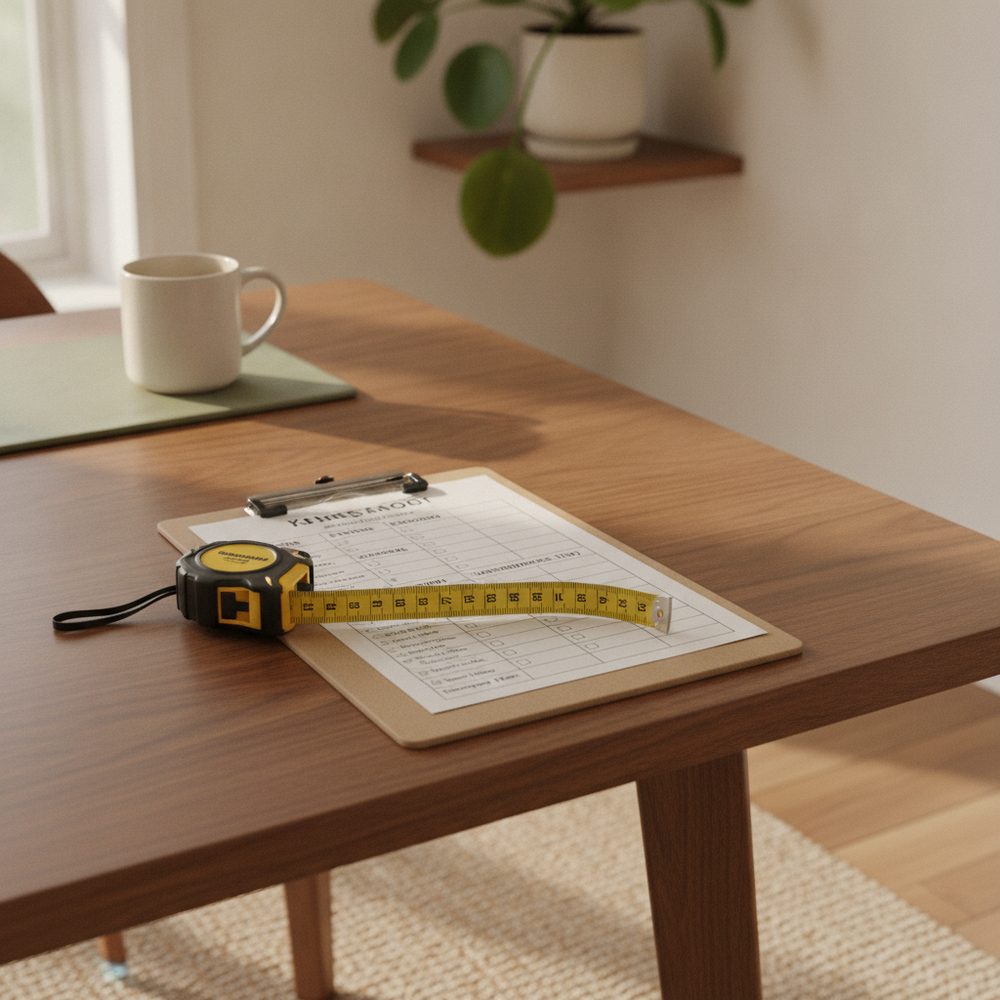
You don't have to be in a crisis to benefit from a home safety evaluation. Many of our clients schedule one as a proactive step — while things are still going well — so they can address issues on their own timeline instead of reacting after an incident.
A fall is often the moment a family realizes the home needs to change. Our assessment identifies what contributed to the fall and what modifications would reduce the risk going forward — grab bars, better lighting, floor surface changes, rearranged furniture pathways, and more.
Returning home after a hospital or rehab stay is a vulnerable transition. The home that worked before may need adjustments for temporary or permanent changes in strength, balance, or range of motion. We can assess quickly and prioritize the changes that matter most right now.
Doorways, turning radii, floor surfaces, and ramp grades that seem fine for an able-bodied person can be significant barriers for someone using a mobility device. We measure, evaluate, and give you a precise picture of what needs to change — and what can stay as-is.
Parkinson's affects gait, freezing, and fall risk in specific ways. Our person-centered approach looks at transition surfaces (doorways, thresholds), furniture placement, lighting contrasts, and grab-bar positioning with those needs in mind.
Adult children who live an hour or more away often worry about what they can't see day-to-day. Our written assessment report gives you and your parent a shared, objective picture of the home's safety — and a concrete plan you can discuss together. Read our guide on how to help aging parents stay home safely for more.
The best time to make home modifications is before you need them urgently. Doing work proactively means you can choose your timing, your budget pacing, and the right modifications without the pressure of a recent injury or discharge deadline. It also keeps costs lower because you're not rushing.
If you're planning a remodel anyway, layering in accessibility features is far more cost-effective than adding them later. We can advise on which upgrades also improve universal appeal and resale value — things like a zero-threshold shower or lever door handles that buyers of all ages appreciate.
When a physician, physical therapist, or occupational therapist has recommended modifications, our assessment translates that clinical guidance into specific construction scopes and cost estimates — the practical next step after the medical recommendation.
What We Look At
Our home safety assessment covers every part of your home, not just the bathroom. Here's what we evaluate and the kinds of modifications we commonly recommend. Our full services list covers each modification in detail.
Steps, handrails, ramp grades, lighting, door hardware, thresholds, driveway and path surfaces. A safe entry point is often the first priority — it determines whether you can leave and return home independently.
Grab bar placement and blocking, tub height and transfer difficulty, shower entry, toilet height, floor surfaces, faucet controls, lighting, and storage reach. The bathroom is where most home-related falls happen — it deserves careful attention.
Clear passage widths (ADA recommends 36 inches minimum for a wheelchair), turning space, door hardware, thresholds between rooms, and flooring transitions. Narrow doorways are one of the most common barriers for walker and wheelchair users.
Bed height and transfer ease, pathway lighting (especially nighttime), flooring (rugs are a trip hazard), closet reachability, and window hardware. A safe bedroom means you can get up at night and dress independently.
Counter heights, appliance reach, floor surfaces, under-counter space for a seated cook, storage accessibility, and cabinet hardware. Many people want to keep cooking independently — the kitchen can often be adapted without a full remodel.
Stair width, handrail height and grip, lighting, step visibility (edge contrast), and whether a stair lift or residential elevator would be appropriate. We also evaluate whether main-floor living is feasible if stairs become a barrier.
Adequate lighting throughout — especially at stairs, in bathrooms, and along nighttime routes from bedroom to bathroom. We evaluate switch heights, outlet accessibility, and whether motion-sensor lighting would help.
Smoke and CO detector placement, emergency exit paths, telephone and alert device accessibility, and whether a personal emergency response system (PERS) would be a good fit. We talk through what-if scenarios that are specific to your layout.
How It Works
We've built our process around one goal: making this as easy and clear as possible for you and your family. No guessing, no surprises, no mess left behind.
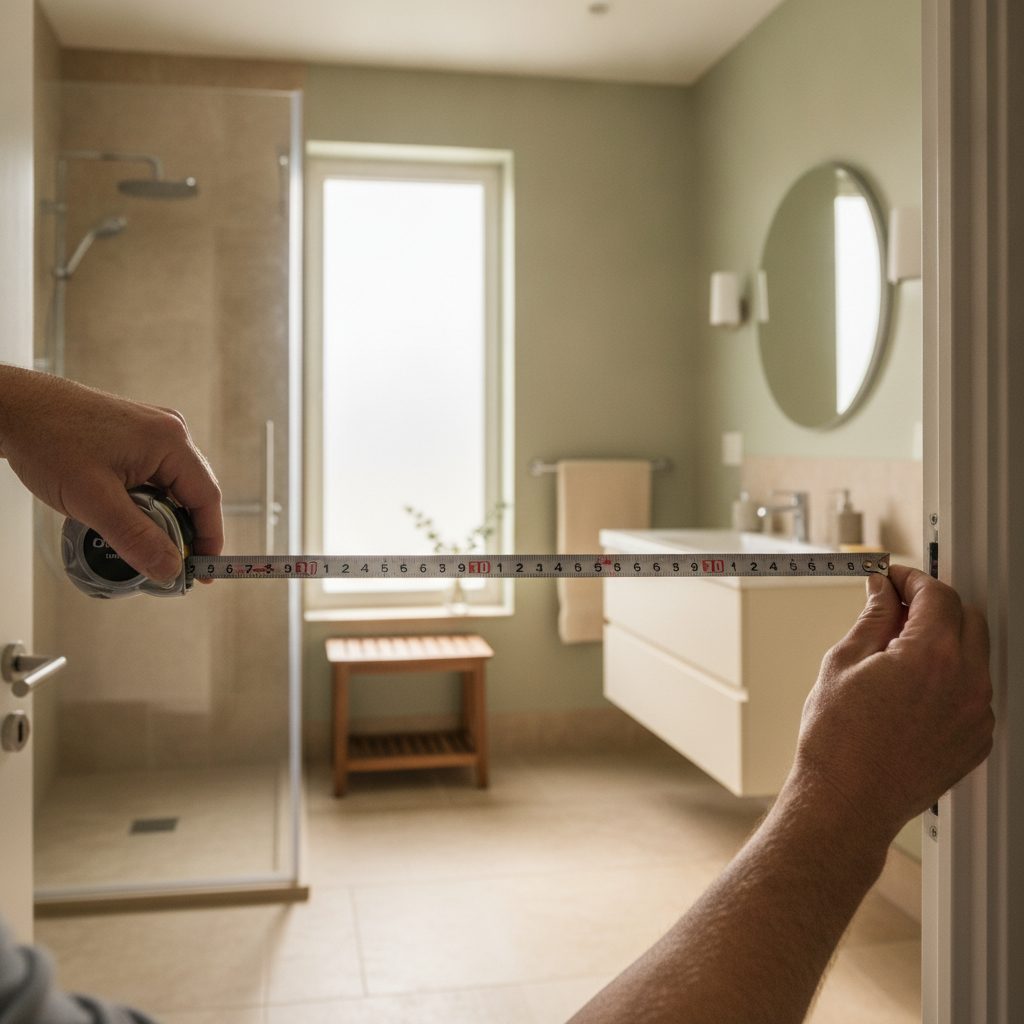
A home-accessibility specialist visits your home — at a time that works for you — and conducts a thorough room-by-room home safety evaluation. We take measurements, ask about your daily routines and any specific health considerations, and photograph areas of concern (with your permission). The visit typically takes 60 to 90 minutes. You're welcome to have a family member present. Interested in ongoing maintenance too? We can pair this visit with the free baseline walk-through for our Home Care Plan — one appointment, and you leave with both the safety report and an exact plan price in writing.
Within a few business days, you receive a written report that lays out our findings room by room. Each recommendation is flagged by priority level — urgent safety concern, important for independence, and nice-to-have improvement — along with a typical Central Texas cost range. The report is yours to keep, share with family, or use to compare options. There is no obligation to hire us.
If you'd like us to proceed, we provide a fixed-price written quote for the work you choose to move forward with. No hourly billing, no open-ended estimates. You know what you'll pay before we schedule a single day of work. We also help you understand any funding programs that may apply to your situation.
Our local installation crews work efficiently and respectfully. We protect floors and furniture, explain what we're doing as we go, and keep disruption to a minimum. For EPA-regulated work on homes built before 1978, we follow Lead-Safe certified practices. Most jobs are completed in one to three days. Larger projects — like a full accessible bathroom remodel — are scheduled and sequenced so you always have a functioning bathroom.
We clean up completely before we leave — every time, no exceptions. Then we walk you through everything we installed, demonstrate proper use of grab bars, rails, and any equipment, and answer your questions. We want you to feel confident and comfortable using every modification.
Your written scope identifies the work, the responsible provider and the applicable warranty terms. Live Oak installations and separately contracted partner work have separate responsibilities. Ask us to explain these before work begins.
What Does It Cost?
Accessibility modifications vary widely in scope and cost. A single grab bar installation is a very different project from a full bathroom remodel or a residential elevator. Below are typical ranges we see in the Austin metro and Central Texas Hill Country — a free in-home assessment gives you an exact quote for your specific home.
| Modification | Typical Range (Central TX) |
|---|---|
| Grab bar installation (per bar, professionally anchored) | Low hundreds of dollars |
| Handrail installation or upgrade | Mid-hundreds of dollars |
| Wheelchair ramp (modular or permanent) | Hundreds to low thousands, depending on rise height and length |
| Tub-to-curbless shower conversion | Low-to-mid thousands, depending on finishes |
| Comfort-height / ADA toilet | Hundreds to low thousands installed |
| Doorway widening (single doorway) | Mid-hundreds to low thousands |
| Stair lift (straight stair) | Mid-thousands; curved stairs higher |
| Full accessible bathroom remodel | Mid-to-high thousands, depending on scope |
For a deeper look at what drives costs and how to budget across multiple modifications, see our Central Texas home modification cost guide. It explains material choices, labor factors, and how to prioritize when budget is a consideration.
Funding & Financial Assistance
The cost of home modifications may be partially or fully covered by programs available to eligible individuals. Here is a plain-language overview:
We help with paperwork and documentation; this is not medical, legal, or financial advice — verify current program details with the administering agency before proceeding.
Why Live Oak Home Access
We plan the work around the person’s daily routine, mobility equipment and the conditions in the home. Share any clinician recommendations you want included in the scope. Ask about the qualifications required for the proposed work.
Occupational therapy principles guide how we evaluate a home. We're not just measuring doorways — we're thinking about how a person with your specific health situation actually moves through a space, transfers from surfaces, and performs daily tasks. That functional lens makes our recommendations more accurate and more useful.
Ask us about the coverage and qualifications relevant to your project. Your written scope identifies who performs the work and the applicable warranty terms. Live Oak handles home-accessibility installations and routine upkeep within its scope. For plumbing, electrical, tile and structural work, the homeowner contracts with the appropriate trade partner; we help define the scope and coordinate the work.
We're based in Driftwood, between Austin and the Hill Country, and we work exclusively in Central Texas. When you call, you reach us directly — not a national call center. We know the Hill Country, the Austin suburbs, and the communities we serve. That local knowledge matters when we're recommending contractors, products, and programs specific to this region.
The assessment is free and comes with zero obligation. We leave you with the written report whether or not you hire us. We believe that's the right way to do business, and it's how we build relationships that last. Many of our clients come back years later for additional modifications as their needs change.
We lay down floor protection and furniture coverings before any installation work begins. We clean up completely before we leave. Your home should look better when we're done than it did when we arrived — except for the new modifications making it safer.
After the Assessment
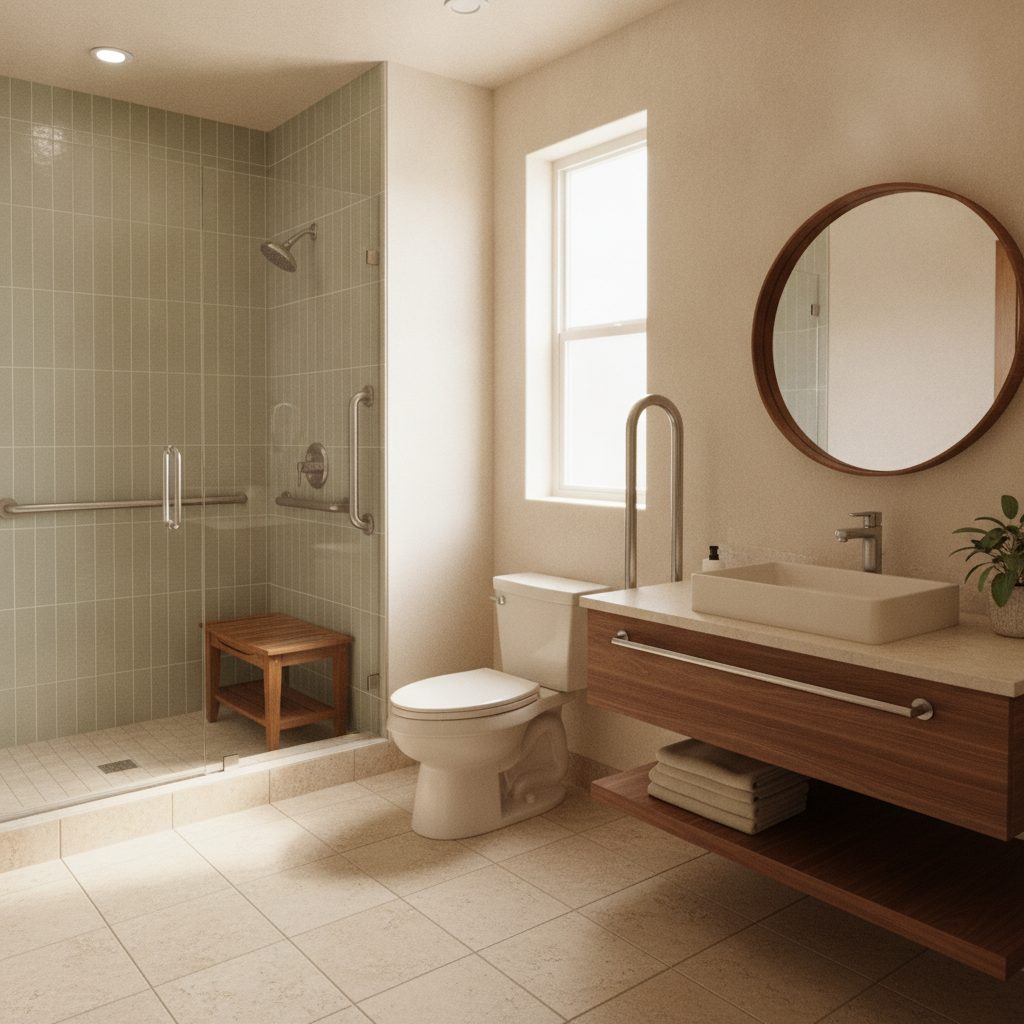
The assessment tells you what your home needs. Here are the services we provide most often across Central Texas — each linked to a full page with details, photos, and cost information.
Professionally anchored to studs or with blocking — not toggle bolts. The right placement is as important as the bar itself.
Modular aluminum or permanent wood ramps built to ADA slope guidelines. We design for your specific entry grade and living situation.
Tub-to-shower conversions and full curbless / roll-in shower installations. One of the most impactful upgrades for long-term independence.
Straight and curved stair lifts for safe, independent access to every level of your home. We handle selection, delivery, and installation.
A complete accessible bathroom designed around how you live — combining grab bars, curbless shower, ADA toilet, and smart layout into one cohesive project.
A simple upgrade with a big impact on daily independence and fall prevention. Usually a one-day installation.
Preparing for a wider conversation about aging in place? Our guide on the aging-in-place home safety checklist walks through what a complete assessment covers and helps you think through priorities before we arrive.
And if you're an adult child helping a parent think through these decisions, our guide on how to help aging parents stay home is written with you in mind, and our ADA toilet height guide explains one of the simplest, most impactful changes we recommend.
Where We Work
We serve the full Austin metro area and Central Texas Hill Country — including Georgetown and Sun City Texas, where our aging-in-place assessments are especially in demand among active adults planning their next decade at home. We regularly work in Lakeway, Cedar Park, Round Rock, San Marcos, New Braunfels, Canyon Lake, Marble Falls, Fredericksburg, Kerrville, Wimberley, Dripping Springs, and the surrounding communities.
Not sure if we cover your area? Call us at (512) 222-8834 or text us — we'll let you know right away.
Answers to the questions we hear most often about our home safety assessments.
A home-accessibility specialist visits your home and walks through every room — bathrooms, bedroom, kitchen, entryways, garage, and yard. We look at lighting, floor surfaces, doorway widths, grab-bar locations, step heights, and how your specific mobility needs match your home layout. You receive a written report with a prioritized list of recommended modifications and estimated Central Texas cost ranges.
Most assessments take 60 to 90 minutes, depending on home size and complexity. We move at your pace and welcome questions along the way.
Yes. The in-home assessment is completely free and comes with no obligation. We believe you should have a clear picture of what your home needs before you spend a dollar.
No referral is needed to schedule a free assessment with us. If you are pursuing VA HISA funding or a Medicaid waiver, those programs may require documentation from a physician or occupational therapist — we can explain the process and help with paperwork.
Common recommendations include grab bars and handrails, a tub-to-shower or curbless shower conversion, a wheelchair ramp or zero-step entry, comfort-height or ADA toilet installation, doorway widening, better lighting, stair lift evaluation, and non-slip flooring. Not every home needs every modification — the report focuses on what matters most for your situation.
Not sure whether a curbless shower or a full roll-in conversion fits your bathroom? See our guide to curbless & roll-in showers for the differences.
Yes. After the assessment we can walk you through funding options including VA HISA grants for eligible veterans, Texas Medicaid STAR+PLUS HCBS Minor Home Modifications, and limited home-safety benefits available through some Medicare Advantage plans. We assist with paperwork, though we are not medical, legal, or financial advisors — verify current program details with the administering agency.
Yes. Live Oak Home Access serves the full Austin metro — including Georgetown, Sun City Texas, Lakeway, Cedar Park, Round Rock, Dripping Springs, and San Marcos — as well as the Central Texas Hill Country, including Canyon Lake, New Braunfels, Marble Falls, Fredericksburg, Kerrville, and Wimberley. Call (512) 222-8834 to confirm we cover your address.
The terms are used interchangeably. Both refer to a professional, room-by-room review of your home for fall hazards, accessibility barriers, and aging-in-place modifications. Our assessment is conducted by a home-accessibility specialist using occupational-therapy-informed principles, and results in a written, prioritized report with Central Texas cost ranges.
Tell us what the visit should cover. Real open times appear on the next screen, nothing is charged and nothing is signed, and you keep whatever we put in writing.
Call or text and a real person picks up. We will answer questions about a whole-home accessibility assessment — what it usually costs, how long it takes, whether it is even the right answer — without booking anything at all.
Call (512) 222-8834 Text usMany families pair a project like this with the Live Oak Home Care Plan — scheduled visits from $185 a month, small fixes handled on the spot, and a photo report to the family after every one. Coordinating for a parent from out of town? Our guide for out-of-town family walks through how that works.
Ask us about the coverage and qualifications relevant to your project. Your written scope identifies who performs the work and the applicable warranty terms. Live Oak handles home-accessibility installations and routine upkeep within its scope. For plumbing, electrical, tile and structural work, the homeowner contracts with the appropriate trade partner; we help define the scope and coordinate the work.
Schedule your free, no-obligation whole-home accessibility and safety assessment. A home-accessibility specialist comes to you — Austin metro, the Hill Country, and all of Central Texas. You'll leave with a written plan and a clear picture of next steps.
You can also text us at (512) 222-8834. We respond Monday–Friday 8–6, Saturday 9–2.